Why Ethiopia is a Vegetarian Paradise
How ancient religious traditions created one of the world's most robust vegan food cultures.
For Indian travelers, especially vegetarians and vegans, Ethiopia is a revelation. Unlike many other global destinations where plant-based dining is a modern trend, in Ethiopia, it is a centuries-old cultural cornerstone. This is due to the Ethiopian Orthodox Church, which mandates fasting (Tsom) for over 200 days a year. During these periods, followers abstain from all animal products, including meat, dairy, eggs, and sometimes even oil.
As a result, almost every restaurant, from humble local eateries to upscale Addis Ababa venues, offers a dedicated, entirely plant-based menu. This focused guide complements our broader Ethiopia Food Guide and Ethiopia Travel Guide by providing specific, actionable advice for Indian palates navigating this unique culinary landscape.
The Magic of "Yetsom" (Fasting Food)
Your golden keyword for stress-free vegetarian dining in Ethiopia.
The most important word for an Indian vegetarian to learn in Amharic is "Yetsom" (pronounced ye-tsom), which translates to "fasting."
When you ask for a "Yetsom Beyaynetu", you are ordering a large, communal platter of injera topped with a colorful assortment of 5 to 8 different vegan stews. It is the safest, most delicious, and most authentic way to experience Ethiopian cuisine without worrying about hidden animal products.
Pro Tip: Even on non-fasting days, restaurants will gladly prepare Yetsom dishes for you. Simply point to the vegetarian options on the menu and confirm, "Yetsom?" The server will understand immediately.
Must-Try Vegetarian & Vegan Dishes
Familiar textures and flavors that will feel like a comforting nod to Indian cuisine.
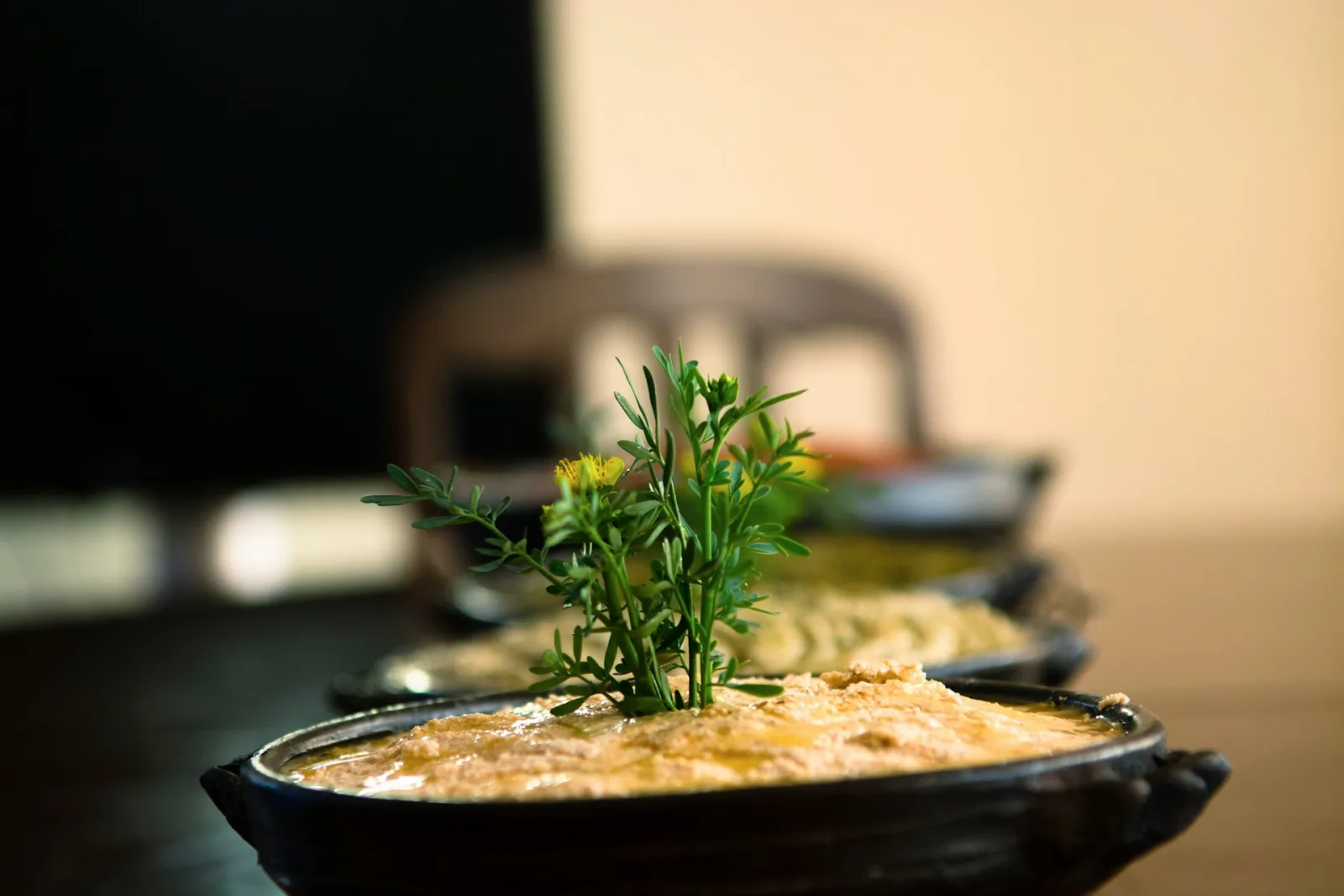
A smooth, rich, and comforting stew made from finely ground chickpeas or broad bean flour, simmered with garlic, onions, and Berbere spice. It is the Ethiopian equivalent of a rich Dal, and an absolute staple for vegetarians.
Spicy red lentil stew. The lentils are slow-cooked until they break down into a thick, flavorful gravy infused with Berbere. It is remarkably similar to Indian Masoor Dal, but with a distinct, smoky Ethiopian spice profile.
Gomen is collard greens sautéed with garlic, ginger, and mild green chilies. Atkilt Wat is a mild, turmeric-spiced stew of cabbage, potatoes, and carrots. Both are naturally vegan and provide a mild, soothing contrast to spicier dishes.
A simple, flavorful dish of green beans and carrots, lightly sautéed with onions and garlic. It is an excellent, mild option for travelers (or children) who are sensitive to spicy food.
Essential Dining Tips for Indian Travelers
Navigating cross-contamination, spice levels, and finding familiar comforts.
- The Niter Kibbeh Warning: Traditional Ethiopian cooking often uses Niter Kibbeh, a spiced clarified butter. While Yetsom food is inherently vegan, it is always wise to double-check with your server: "No Niter Kibbeh, please?" Reputable tourist restaurants are very accustomed to this and will use oil instead.
- Spice Management: Ethiopian food can be spicy. If you have a low tolerance for heat, ask for "Mild" or "No Berbere." Dishes like Shiro, Atkilt, and Fosolia are naturally mild and safe bets.
- Eating with Hands: Eating with the right hand is the traditional method. Tear a piece of injera and use it to scoop the stews. If you prefer utensils, simply ask for a fork and spoon; tourist restaurants will provide them without judgment.
- Indian Restaurant Comfort: If you ever crave familiar flavors, Addis Ababa has excellent Indian restaurants like Kasturi and Top View, offering authentic North and South Indian meals, including dosas, paneer, and dal makhani.
- Street Food Safety: Stick to freshly cooked, hot vegetarian snacks like Sambusas (lentil-filled pastries) from busy, reputable vendors. Avoid pre-cut fresh fruits from street carts; opt for fruits you can peel yourself, like bananas or oranges.
Want a culinary-focused Ethiopia experience? Our tour packages can be customized to include visits to the best vegetarian-friendly restaurants, traditional coffee ceremonies, and local market tours.
View Customizable Ethiopia Tour Packages →
Frequently Asked Questions — Vegetarian Food in Ethiopia
Quick answers to common dietary questions from Indian travelers.
1Is Ethiopia a good destination for Indian vegetarians and vegans?
Yes, Ethiopia is arguably the best African destination for Indian vegetarians and vegans. Due to Orthodox Christian fasting traditions, the majority of traditional Ethiopian dishes are naturally plant-based, cooked without meat, dairy, or eggs.
2What is "Yetsom" food in Ethiopia?
"Yetsom" refers to fasting food in Ethiopia. During religious fasting periods (which occur over 200 days a year), Ethiopians consume strictly vegan meals. Ordering a "Yetsom Beyaynetu" guarantees a large, shared platter of injera topped with various vegan stews.
3How can I ensure my vegetarian food in Ethiopia is not cooked with butter?
Traditional stews are often cooked with Niter Kibbeh (spiced clarified butter). To ensure your meal is 100% vegan, explicitly ask for "Yetsom" (fasting food) and confirm with the server that no Niter Kibbeh was used. Reputable tourist restaurants are very accustomed to this request.
4Are there Indian restaurants in Addis Ababa?
Yes, Addis Ababa has several high-quality Indian restaurants (e.g., Kasturi, Top View) offering familiar North and South Indian dishes, which is a great comfort option if you need a break from local cuisine.
5Is Ethiopian vegetarian food spicy?
It can be. Dishes like Misir Wat use Berbere spice, which contains chili. However, many options like Shiro, Atkilt (cabbage/potatoes), and Fosolia (green beans) are naturally mild. You can always request "mild" or "no spice" when ordering.
Note: While Ethiopian vegetarian food is incredibly safe and delicious, always drink bottled or purified water, and ensure that the injera and stews are served hot and fresh to avoid any travel-related stomach upset.