Panoramic view of the Lincoln Memorial and the Reflecting Pool in Washington D.C.

Washington D.C. Guide
for Indian Travelers

Top free museums, Metro tips, Indian food spots, and a 2-day itinerary to experience the US Capital in 2026.

Updated for 2026 Travelers
Written by Sunita Lal — North America Travel Specialist
Reviewed by Anita Pattigili · North America Travel Reviewer
Last updated after reviewing:
  • Smithsonian museum timed-entry pass requirements and new security protocols for 2026
  • Washington Metro (WMATA) contactless payment expansion and SmarTrip card updates
  • Updated Indian dining hotspots in Rockville (Maryland) and Herndon (Virginia) for DC metro travelers
Welcome to the Nation's Capital
A hyper-local guide to navigating Washington D.C., tailored specifically for Indian tourists.

City Vibe & Logistics

Washington D.C. is a grand, historic city defined by its neoclassical architecture, expansive parks, and world-class (and mostly free!) museums. For Indian travelers, it offers a fascinating look into US democracy and history without the chaotic traffic of New York.

  • Pace of Life: Professional and bustling during the workweek, but surprisingly relaxed and family-oriented on weekends.
  • Language: English is the primary language. D.C. is highly diverse, with large immigrant communities.
  • Cost: Hotels in D.C. can be expensive, especially during peak tourist seasons and political events. However, the abundance of free attractions significantly lowers your daily activity budget. For a full breakdown of how D.C. impacts your overall budget, see our USA trip cost from India guide.
  • Best Time: The most famous time to visit is late March/early April for the Cherry Blossoms. September to November (Autumn) is also spectacular. Check our best time to visit the USA guide for month-by-month details.

Planning a multi-city US vacation? D.C. is the perfect historical stop on our recommended 10-day USA itinerary between New York and the West Coast.
Quick Facts

  • District: District of Columbia (Not a state, not part of any state)
  • Time Zone: Eastern Time (ET) — 9.5 to 10.5 hours behind IST
  • Airports: DCA (Reagan National - closest), IAD (Dulles International), BWI (Baltimore/Washington)
  • Currency: US Dollar (USD)
  • Getting from IAD to Downtown: Uber/Lyft ($50-$70), Silver Line Express Bus ($8), or Metro (via bus transfer)
  • Sales Tax: 6.0% (added at the register)
  • Tipping: 18-20% mandatory at sit-down restaurants, bars, and for hotel porters
Must-Visit Attractions in D.C.
The iconic monuments and world-class museums that define the Washington D.C. experience.

Monuments & Memorials

Almost all monuments in D.C. are outdoors, open 24/7, and completely free to visit.

  • Lincoln Memorial: Best viewed at sunset or at night when it is beautifully illuminated. Stand where Martin Luther King Jr. gave his "I Have a Dream" speech.
  • Washington Monument: You can go to the top for panoramic views, but tickets require a small reservation fee. The view from the bottom looking up is equally iconic.
  • World War II Memorial: A stunning and solemn memorial with 56 pillars representing US states and territories. Features a beautiful Rainbow Pool.
  • White House: You can only view the exterior from Lafayette Park or the Ellipse. Tours must be requested months in advance through your MP in the US or the US Embassy in India.

Smithsonian Museums

The Smithsonian Institution is the world's largest museum, education, and research complex. Entry is free!

  • National Air and Space Museum: A massive hit with families. See the Wright Flyer and Apollo 11 command module. (Timed-entry pass required).
  • National Museum of Natural History: Famous for the Hope Diamond and the massive African elephant in the rotunda. No passes required.
  • National Museum of African American History and Culture: A deeply moving, world-class museum. (Timed-entry pass required).
  • National Gallery of Art: Houses an incredible collection of Western art, including works by Da Vinci and Rembrandt. Connected by an underground tunnel.
Optimized 2-Day D.C. Itinerary
A logical route to cover the National Mall and top museums without burning out.
Day Area Key Activities
Day 1The National MallLincoln Memorial, Reflecting Pool, WWII Memorial, Washington Monument (exterior), White House (exterior), Ford's Theatre.
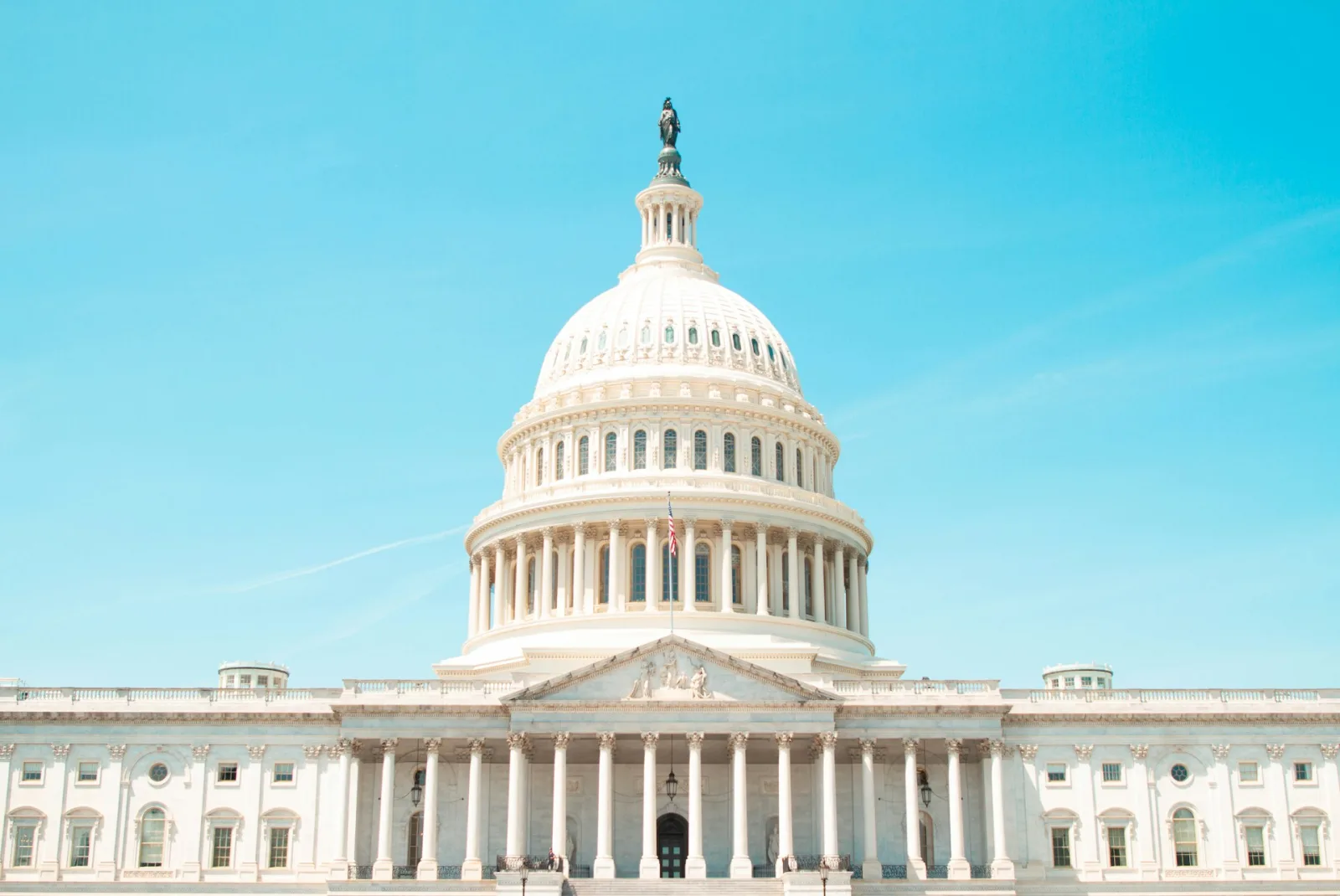
Day 2Capitol & MuseumsUS Capitol Building (exterior/tour), Library of Congress, Air and Space Museum, Natural History Museum, National Gallery of Art.
Day 1
FocusMonuments & History
Day 2
FocusMuseums & Capitol

Pro Tip: The National Mall is over 2 miles long. Wear your most comfortable walking shoes. Indian tourists often underestimate the distance between monuments; plan to walk 15,000+ steps a day.

Getting Around: Metro & Walking
How to navigate D.C. like a local and avoid expensive taxi traps.

The DC Metro (Metrorail)

The Metro is the cleanest, safest, and most efficient way to travel in D.C. It connects all major tourist sites and airports.

  • How to Pay: You can now tap your contactless international credit/debit card or smartphone (Apple Pay/Google Pay) directly at the fare gates. No need to buy a physical SmarTrip card.
  • Cost: Fares vary by distance ($2.00 – $6.00). The system automatically calculates the fare when you tap out at your destination.
  • Navigation: Download the Citymapper app. It is highly accurate for D.C. transit and tells you exactly which train car to board for the quickest exit.
  • Safety: The Metro is generally very safe. Stand away from the platform edge, and be mindful of your belongings during rush hour.

Taxis, Uber & Walking

D.C. is a highly walkable city, especially around the National Mall and Georgetown.

  • Yellow Cabs: Available, but often harder to hail on the street than in NYC. Use apps instead.
  • Uber/Lyft: Extremely reliable and widely used. Great for getting from your hotel to the Metro or for evening dinners in neighborhoods like Georgetown or The Wharf.
  • Do NOT Rent a Car: D.C. traffic is congested, and hotel parking is notoriously expensive ($40-$60/night). The Metro and walking are all you need.
  • DC Circulator Bus: A cheap ($1) and convenient bus route that connects Union Station, the National Mall, and Georgetown.
D.C. Food Guide & Indian Dining
From iconic local street food to the best authentic Indian restaurants in the metro area.

D.C. Classics to Try

  • Half-Smoke: A D.C. staple sausage, usually served on a bun with chili, onions, and mustard. Try it at Ben's Chili Bowl (a historic landmark on U Street).
  • Mumbo Sauce: A sweet, tangy, and slightly spicy sauce unique to D.C. Great on chicken wings and fries.
  • Ethiopian Cuisine: D.C. has the largest Ethiopian population in the US. Try eating injera (sour flatbread) with spicy stews in the U Street/Shaw neighborhood.
  • Georgetown Cupcake: Famous for its long lines and massive, beautifully decorated cupcakes.

Authentic Indian Food

While downtown D.C. has a few Indian restaurants, the true culinary hubs are in the immediate suburbs, easily accessible via the Metro.

  • Rockville, Maryland: Take the Metro Red Line to Rockville or Twinbrook. This area is packed with excellent North Indian restaurants, South Indian dosas, and Indian grocery stores. It is a 30-40 minute ride from downtown.
  • Herndon / Ashburn, Virginia: Located near Dulles Airport (Silver Line). This corridor features massive, high-quality Indian buffets, sweet shops (mithai), and regional specialties.
  • Vegetarian/Vegan: D.C. is incredibly veg-friendly. Beyond Indian food, you will find dedicated vegan restaurants and excellent vegetarian options in almost every cafe.
Safety & Practical Tips for Indians
Navigating the city confidently and avoiding common tourist pitfalls.

Safety & Street Smarts

  • Tourist Areas are Safe: The National Mall, Capitol Hill, Georgetown, and Penn Quarter are heavily policed and very safe, even at night.
  • Pickpockets: As in any major global capital, keep an eye on your belongings in crowded Metro stations and near major monuments.
  • Avoid Certain Areas at Night: While D.C. has improved significantly, some neighborhoods east of the Anacostia River or far Northwest D.C. can be sketchy at night. Stick to well-lit, populated areas and use Uber/Lyft if traveling late.
  • Protests: D.C. is the capital; protests are common and usually peaceful. They often occur around the Capitol or White House. Simply give them a wide berth and avoid blocking streets.

Money & Museum Tips

  • Free Attractions: Take advantage of the free Smithsonian museums. This can save a family of four hundreds of dollars compared to paying for attractions in other major US cities.
  • Timed-Entry Passes: If you want to visit the Air and Space Museum or the African American History Museum, book your free timed-entry passes on the Smithsonian website at least 2 weeks in advance. They run out quickly.
  • Tipping: 18-20% is standard for sit-down dining. If you order takeout or food at a counter, a 10% tip or leaving spare change is appreciated.
  • Dynamic Currency Conversion (DCC): If a card machine asks to charge you in INR, always decline and choose to pay in USD to avoid terrible exchange rates.
Frequently Asked Questions — D.C. Travel
Quick answers to common questions from Indian tourists visiting Washington D.C.
1Is Washington D.C. safe for Indian tourists?
Yes, D.C. is generally very safe for Indian tourists, especially in the downtown, National Mall, and Georgetown areas. Violent crime is rare in these tourist zones. Standard big-city precautions apply: stay aware of your surroundings, keep valuables secure, and avoid poorly lit streets late at night.
2Are the Smithsonian museums really free?
Yes! All 17 Smithsonian museums and the National Zoo are completely free to enter. However, timed-entry passes are currently required for the National Museum of African American History and Culture, the National Zoo, and the Air and Space Museum. You can book these free passes online in advance.
3How do I pay for the DC Metro?
The Washington Metro (WMATA) accepts direct contactless payments. You simply tap your international credit/debit card or smartphone (Apple Pay/Google Pay) at the fare gates. You no longer need to buy a physical SmarTrip card unless you prefer one. Remember to tap out at your destination!
4Where can I find authentic Indian food in Washington D.C.?
While D.C. has some Indian restaurants, the best and most authentic options are in the immediate suburbs. Rockville, Maryland (about 30 mins via Metro Red Line) and Herndon, Virginia have massive concentrations of excellent North and South Indian restaurants, sweet shops, and grocery stores.
5How many days are enough for Washington D.C.?
A minimum of 2 full days is required to cover the highlights: one day for walking the National Mall and seeing the monuments, and one day for exploring 2 or 3 Smithsonian museums and Capitol Hill. If you want to visit Arlington National Cemetery or take a day trip to Mount Vernon, add a third day.
6Do I need to rent a car to explore Washington D.C.?
Absolutely not. Renting a car in D.C. is highly discouraged due to expensive hotel parking fees ($40-$60 per night), aggressive traffic, and complex one-way streets. The Metro system is excellent, and the National Mall area is highly walkable.

Want a hassle-free D.C. vacation? Our USA packages include hotel bookings, guided Capitol tours, and seamless domestic flight connections.

Plan My D.C. Trip →

Note: Security in D.C. is tight. Expect airport-style security checks (baggage scanners and metal detectors) when entering Smithsonian museums and federal buildings. Do not bring large bags or sharp objects to speed up the entry process.

More Travel Guides

Explore Other Destinations

Plan Your Washington D.C. Trip

Fill out the form below and our travel experts will help you design a D.C. itinerary that perfectly matches your travel dates and budget.

Get a customized quote for your D.C. trip including B1/B2 visa assistance, downtown hotels, and seamless domestic flight connections.

Enquire About This Package