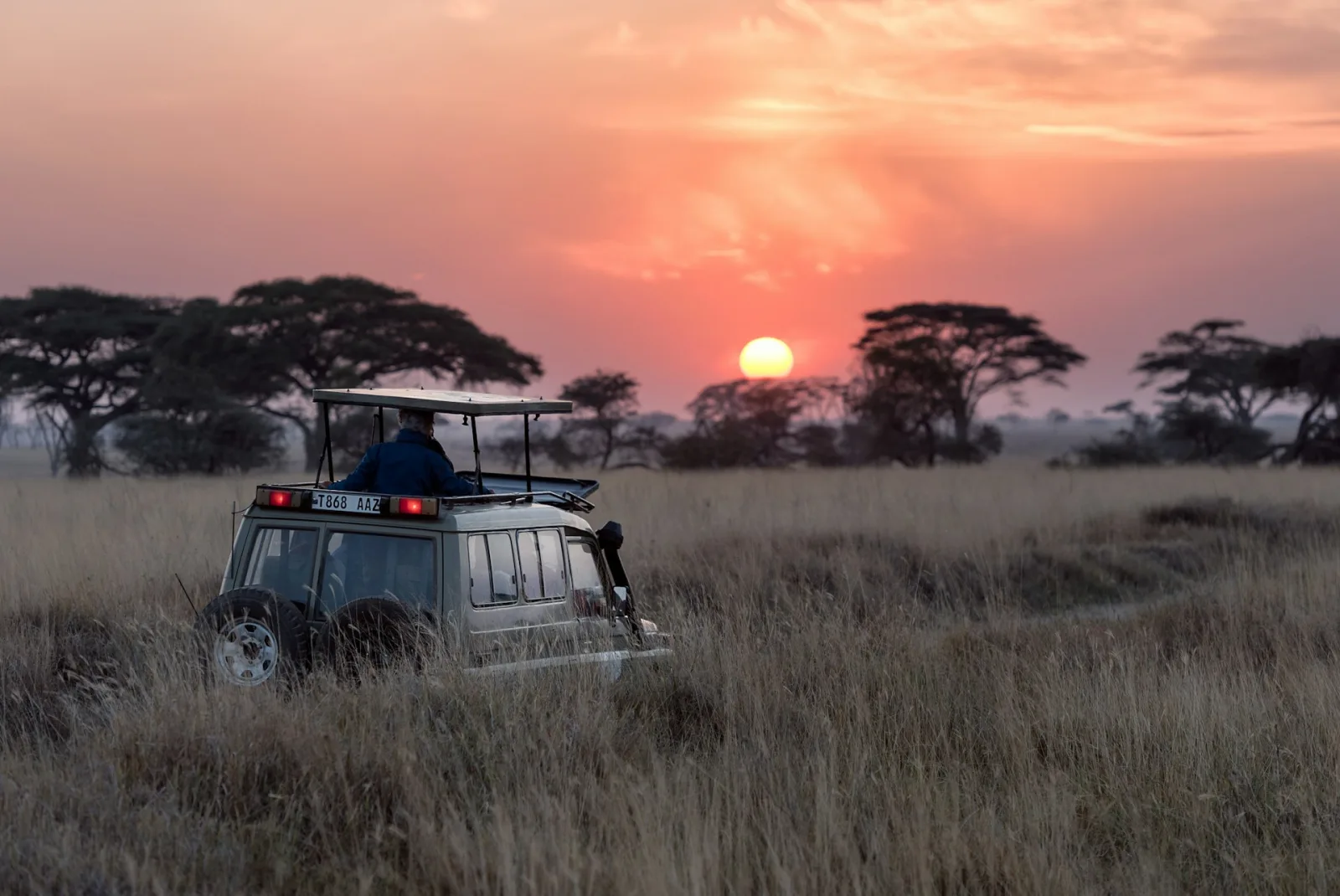
Lion resting on a granite kopje overlooking the vast grassy plains of the Serengeti National Park

Serengeti National Park
Guide for Indians

Navigate the world's most famous safari destination with our expert guide to zones, migration timing, and logistics.

Updated for 2026 Travelers
Written by Vishal Narayan — Africa Travel Specialist
Reviewed by Veena Rathore · Africa Travel Reviewer
Last updated after reviewing:
  • 2026 TANAPA conservation fee revisions and vehicle entry protocols
  • Updated Great Migration river crossing location tracking for the current season
  • Domestic airstrip (Seronera, Kogatende) baggage weight limits and flight schedules
Welcome to the Endless Plains
The Serengeti is not just a park; it is the beating heart of Africa's greatest wildlife spectacle.

Spanning nearly 15,000 square kilometers, the Serengeti National Park is a UNESCO World Heritage site and the stage for the Great Migration. For Indian travelers, it represents the pinnacle of the African safari experience. Whether you are tracking the Big Five in the Central Serengeti or witnessing the dramatic Mara River crossings in the North, understanding the park's vast geography is crucial for planning. For a complete overview of your trip, refer to the Complete Tanzania Travel Guide or our detailed Tanzania Itinerary guide.

Serengeti Safari Zones Explained
The park is divided into distinct regions, each offering a unique wildlife experience depending on the season.

Central Serengeti (Seronera Valley)

Best for: First-time visitors, families, and year-round game viewing.
The Seronera River valley is the most accessible and heavily visited area. It boasts permanent water sources, attracting large populations of lions, leopards, and cheetahs throughout the year. It offers the highest concentration of mid-range and luxury lodges.
Northern Serengeti (Kogatende)

Best for: The Great Migration river crossings (July to October).
This remote, exclusive region is where the herds face the crocodile-infested Mara and Grumeti rivers. It features high-end, low-density mobile camps. Reaching here requires a long drive or a short domestic flight from Arusha.

Southern Serengeti (Ndutu)

Best for: The calving season (January to March).
Characterized by short-grass plains, this area hosts over 400,000 newborn wildebeest. The high concentration of vulnerable young attracts massive numbers of predators, making it a photographer's paradise.

Wildlife Highlights
Beyond the migration, the Serengeti is a year-round haven for diverse and abundant wildlife.
  • The Big Five: Lion, Leopard, Elephant, Buffalo, and the elusive Rhinoceros (rare, mostly in the Moru Kopjes).
  • Cheetahs: The Serengeti boasts one of the largest and most stable cheetah populations in the world, often seen hunting on the open plains.
  • The Great Migration: Over 1.5 million wildebeest, 200,000 zebras, and 300,000 gazelles moving in a continuous, clockwise loop.
  • Avian Life: Over 500 bird species, including the majestic Secretary Bird, ostriches, and vibrant lilac-breasted rollers.
Park Logistics & Rules
Essential operational details for navigating the Serengeti smoothly.

Park Fees (2026)

  • Adult Entry Fee: $82 USD per person, per 24-hour period.
  • Vehicle Fee: $40 USD per 4x4 vehicle, per 24-hour period.
  • Concession Fee: If staying inside the park, an additional $35 USD per person, per 24 hours applies.
  • Note: Fees are typically included in your Tanzania tour package, but always verify with your operator.

Getting There

  • By Road: A 7-8 hour scenic drive from Arusha via the Ngorongoro Conservation Area.
  • By Air: Domestic charter flights from Arusha or Zanzibar land at regional airstrips (Seronera, Kogatende, Lobo). Flight time is 1-1.5 hours.
  • Strict Rule: All domestic flights enforce a 15kg soft-baggage limit. Hard suitcases will not be accepted.
Essential Tips for Indian Travelers
Practical advice to ensure a comfortable and culturally seamless Serengeti experience.

Dietary Assurance: Vegetarian and Jain dietary requirements are easily accommodated in mid-range to luxury lodges. Camps stock fresh vegetables, lentils, paneer, and spices. You must inform your tour operator at the time of booking so the camp chef can prepare accordingly.

Packing for the Bush

Dress in neutral, earthy tones (khaki, olive, beige). Avoid bright colors (white, red) as they distract wildlife, and avoid black/dark blue, which attract tsetse flies. Mornings are chilly; layering is essential. For a complete checklist, see our Safari Packing List.

Connectivity & Safety

Mobile network coverage (Vodacom/Airtel) is available in the Central Serengeti but spotty in the North and South. Purchase a local SIM in Arusha. Safari vehicles are highly safe, but always remain inside the vehicle unless at designated, safe areas within the camp.

Serengeti National Park FAQ for Indian Travelers
Quick answers to common questions about visiting the Serengeti
1How many days are enough for a Serengeti safari?
A minimum of 2 to 3 full days is recommended to experience the Serengeti properly. This allows time to explore different zones (Central, North, or South) and maximizes your chances of witnessing diverse wildlife and the Great Migration, depending on the season.
2Which Serengeti zone is best for Indian families?
The Central Serengeti (Seronera Valley) is ideal for families. It offers year-round wildlife viewing, shorter driving distances between sightings, and a high concentration of mid-range to luxury family-friendly lodges with excellent medical backup.
3Can I see the Great Migration year-round in the Serengeti?
Yes, the migration is a continuous, year-round cycle. However, the location changes monthly. The dramatic river crossings occur in the North (July-October), while the calving season happens in the South (January-March). Check our Great Migration timing guide for exact locations.
4Are vegetarian meals available in Serengeti safari camps?
Absolutely. Reputable safari operators and lodges are highly accustomed to Indian dietary requirements. By notifying your tour provider in advance, camps will prepare fresh vegetarian meals, including dal, rice, roti, and vegetable curries.
5What is the baggage limit for domestic flights to the Serengeti?
Domestic charter flights (e.g., Coastal Aviation, Auric Air) to Serengeti airstrips have a strict 15kg (33 lbs) weight limit per passenger. Luggage must be in a soft-sided, collapsible duffel bag. Hard suitcases will be rejected.

Ready to witness the Greatest Show on Earth? Our specialists will match your travel dates with the exact location of the herds and secure the best available camps.

Get a Customized Serengeti Safari Quote →

About This Serengeti Guide

This guide provides Indian travelers with accurate, up-to-date information on Serengeti National Park zones, logistics, and wildlife viewing expectations.

Expert Wildlife Knowledge

Zone recommendations and migration timing are based on historical patterns and recent TANAPA wildlife movement data for the 2026 season.

India-Specific Logistics

Practical advice on vegetarian camp meals, domestic flight baggage limits, and packing tailored specifically for Indian travelers.

Verified by Specialists

Park fee structures, airstrip protocols, and accommodation recommendations are regularly updated by our Africa destination specialists.

More Travel Guides

Explore Other Destinations

Plan Your Serengeti Safari

Tell us your preferred travel month, and we will position you in the right Serengeti zone to witness the wildlife and migration.

Our Africa specialists will secure premium mobile camps or family lodges, ensuring a seamless, customized safari experience.

Enquire About This Package