Updated 2026 advisories for phone snatching and bag theft in Ho Chi Minh City tourist zones
Revised street food hygiene standards and safe eating practices for Indian travelers in 2026
Current emergency contact numbers and tourist police availability in Hanoi and HCMC
Fact-checked April 2026
Last updated: April 2026
Is Vietnam Safe for Indian Tourists?
A realistic look at safety, crime, and health precautions for Indian travelers.
Vietnam is widely regarded as one of the safest countries in Southeast Asia for Indian tourists. Violent crime against foreigners is extremely rare, and the local population is generally welcoming and helpful. However, like any popular tourist destination, petty theft, traffic chaos, and minor scams do exist. By understanding the local environment and taking basic precautions, you can ensure a completely smooth and secure trip. For a complete destination overview including itinerary and budget planning, refer to our comprehensive Vietnam travel guide.
Street Safety & Petty Crime
How to protect your valuables in crowded tourist areas.
Protecting Your Belongings
While violent crime is rare, opportunistic theft is the most common issue faced by tourists, particularly in Ho Chi Minh City.
Phone Snatching: This is the #1 crime in HCMC. Thieves on motorbikes target pedestrians using phones near the street edge. Rule: Always step inside shops or away from the curb to check your phone.
Bag Theft: Keep your backpack on your front in crowded markets like Ben Thanh or Dong Xuan. Never hang bags loosely on the back of your chair at outdoor cafes.
Hotel Safes: Use the in-room safe or hotel reception safe for your passport, extra cash, and flight tickets. Carry only a photocopy of your passport and daily spending cash.
Night Walks: Stick to well-lit, busy streets after dark. Avoid isolated alleys or quiet parks late at night.
For specific safety advice regarding Ho Chi Minh City, check our detailed Ho Chi Minh City guide.
Traffic & Crossing the Street
Navigating the famous motorbike seas of Hanoi and HCMC.
The Art of Crossing
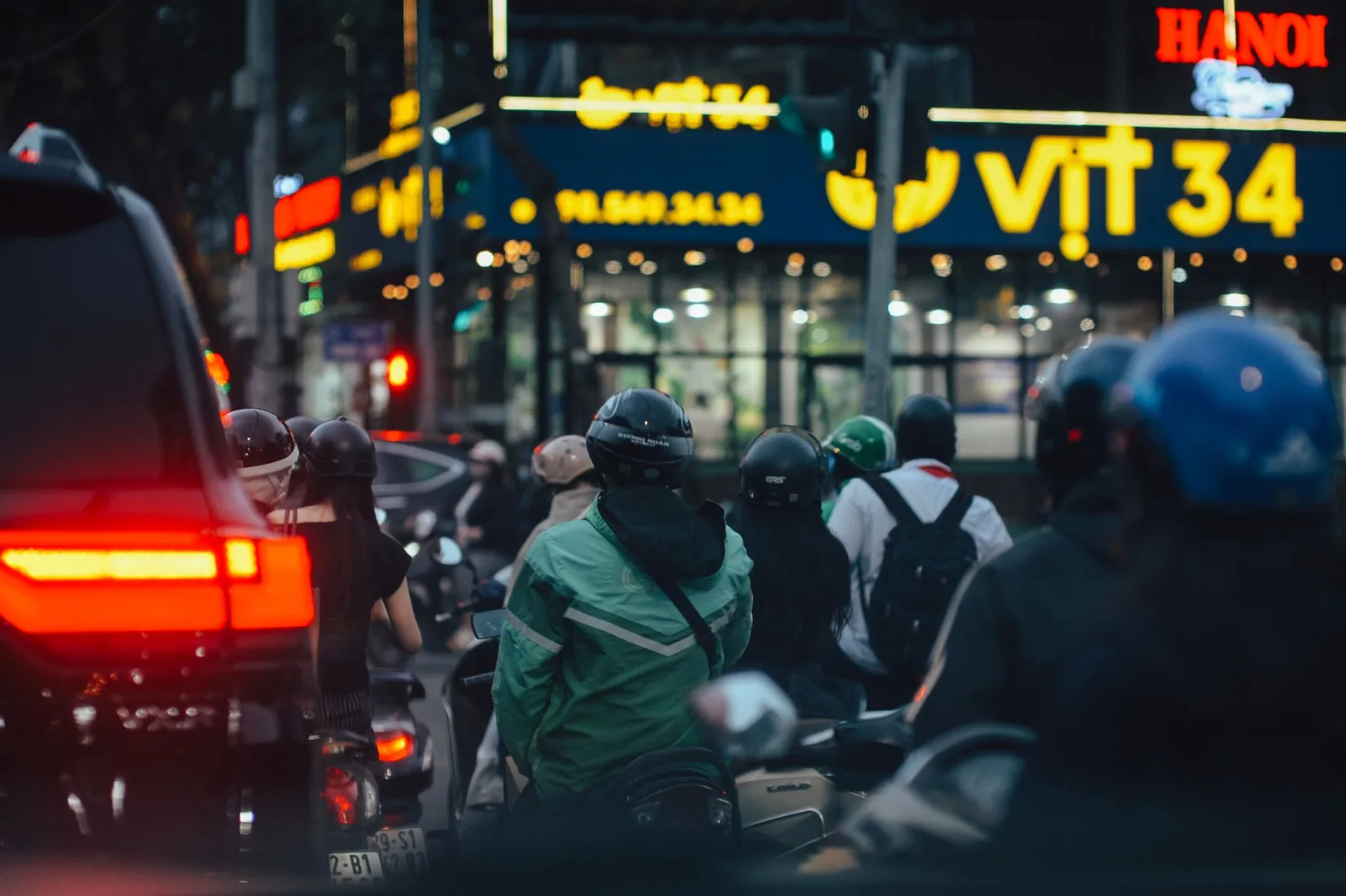
Crossing the street in Vietnam can be terrifying for first-timers. There are rarely pedestrian signals, and motorbikes will not stop for you.
Walk Steadily: Step off the curb and walk at a slow, consistent pace. Do not run, and absolutely do not stop or step backward.
The "Bubble" Technique: Motorbike drivers are experts at calculating your speed. They will flow around you like water around a rock. If you stop suddenly, you break their calculation and cause an accident.
Make Eye Contact: Look at the approaching drivers. This helps them gauge your speed and intention.
Use Traffic Lights: In major intersections, wait for the green light and try to cross alongside a group of locals or a Vietnamese family for added visibility.
Mastering this skill is essential for exploring the capital. Read more about navigating Hanoi in our Hanoi city guide.
Health, Water & Food Safety
How to enjoy Vietnam's incredible street food without getting sick.
Eating & Drinking Safely
Vietnamese street food is legendary, but Indian stomachs can sometimes be sensitive to local bacteria. Follow these rules to stay healthy:
Water:Never drink tap water. Always drink sealed bottled water, which is cheap and available everywhere. Avoid ice in drinks at small, rural street stalls unless you are sure it is commercially produced tube ice (which has a hole in the middle).
Street Food Hygiene: Choose stalls with a high turnover of locals. High turnover means the food is fresh and hasn't been sitting out in the heat.
Cooked is Best: Opt for dishes that are boiled or grilled in front of you, like Pho or Bun Cha. The boiling broth kills potential bacteria.
Raw Herbs: Fresh herbs are served with almost every meal. If you have a highly sensitive stomach, you may want to skip the raw herbs or briefly dip them in the hot broth.
Stay alert to these minor tourist traps that target visitors.
Tourist Scams
Taxi Meter Scams: Some unmarked taxis have rigged meters that run incredibly fast. Solution: Only use the Grab app for transparent pricing, or stick to reputable companies like Mai Linh (green) or Vinasun (white).
The "Shoe Shine" Drop: Someone drops a shoeshine brush or a ring in front of you and claims you dropped it, then demands money for "cleaning" your shoes. Solution: Ignore it and keep walking.
Unsolicited "Help": At train stations or bus stops, people may offer to carry your bags or "help" you buy a ticket, then demand an exorbitant fee. Solution: Politely but firmly say "No, thank you" and walk away.
Cyclo Overcharging: Cyclo drivers may quote a price in USD but claim later it was per person or in a different currency. Solution: Agree on the exact total price in VND before getting in, or just use Grab.
Emergency Contacts & Medical Care
Important numbers and healthcare information for Indian travelers.
Important Numbers
Police: 113
Fire Department: 114
Ambulance: 115
Tourist Police (Hanoi): +84 24 3926 1962
Tourist Police (HCMC): +84 28 3829 8577
Embassy of India (Hanoi): +84 24 3824 4989 (Emergency: +84 98 323 1383)
Medical Care: Major cities have international clinics (like Family Medical Practice in Hanoi or HCMC) that meet Western standards but can be expensive. Travel insurance is highly recommended. Pharmacies are ubiquitous, and pharmacists can often prescribe basic antibiotics over the counter.
Frequently Asked Questions — Vietnam Safety
Quick answers to safety and security queries from Indian travelers.
1Is Vietnam safe for Indian female travelers?
Yes, Vietnam is considered very safe for solo and female Indian travelers. Violent crime is extremely rare. The main concerns are minor petty theft like phone snatching. Dress modestly when visiting temples, avoid walking alone in poorly lit areas late at night, and use Grab for transport after dark.
2What should I do if my phone is snatched in Ho Chi Minh City?
Drive-by phone snatching is the most common crime in HCMC. If it happens, do not resist or chase the thieves, as they may be armed. Immediately use a nearby phone to call the tourist police (113) and contact your embassy to block your SIM and cards. Always hold your phone away from the street edge.
3Is it safe to drink tap water in Vietnam?
No, it is not recommended for Indian tourists to drink tap water in Vietnam. Always drink sealed bottled water, which is widely available and very cheap. Avoid adding ice to your drinks at small street stalls unless you are sure it is commercially produced tube ice.
4How do I cross the street safely in Hanoi?
Crossing the street in Hanoi or HCMC can be terrifying due to the constant flow of motorbikes. The secret is to walk slowly and steadily at a consistent pace. Do not run, and do not stop suddenly. The drivers will calculate your speed and flow around you. Making eye contact helps.
5Are there any specific scams Indian tourists should watch out for?
Common scams include the "shoe shine" drop (someone drops a shoeshine brush and demands money), overcharging by unmetered cyclos, and taxi meter manipulation. Always use the Grab app for transparent pricing, politely ignore unsolicited "help" at train stations, and agree on prices before accepting any service.
Want a secure, hassle-free Vietnam trip? Our experts handle all logistics, transfers, and 24/7 on-ground support.
Note: While Vietnam is very safe, always purchase comprehensive travel insurance before your trip. Ensure your policy covers medical evacuation, motorbike accidents (if you plan to ride), and theft of personal belongings.