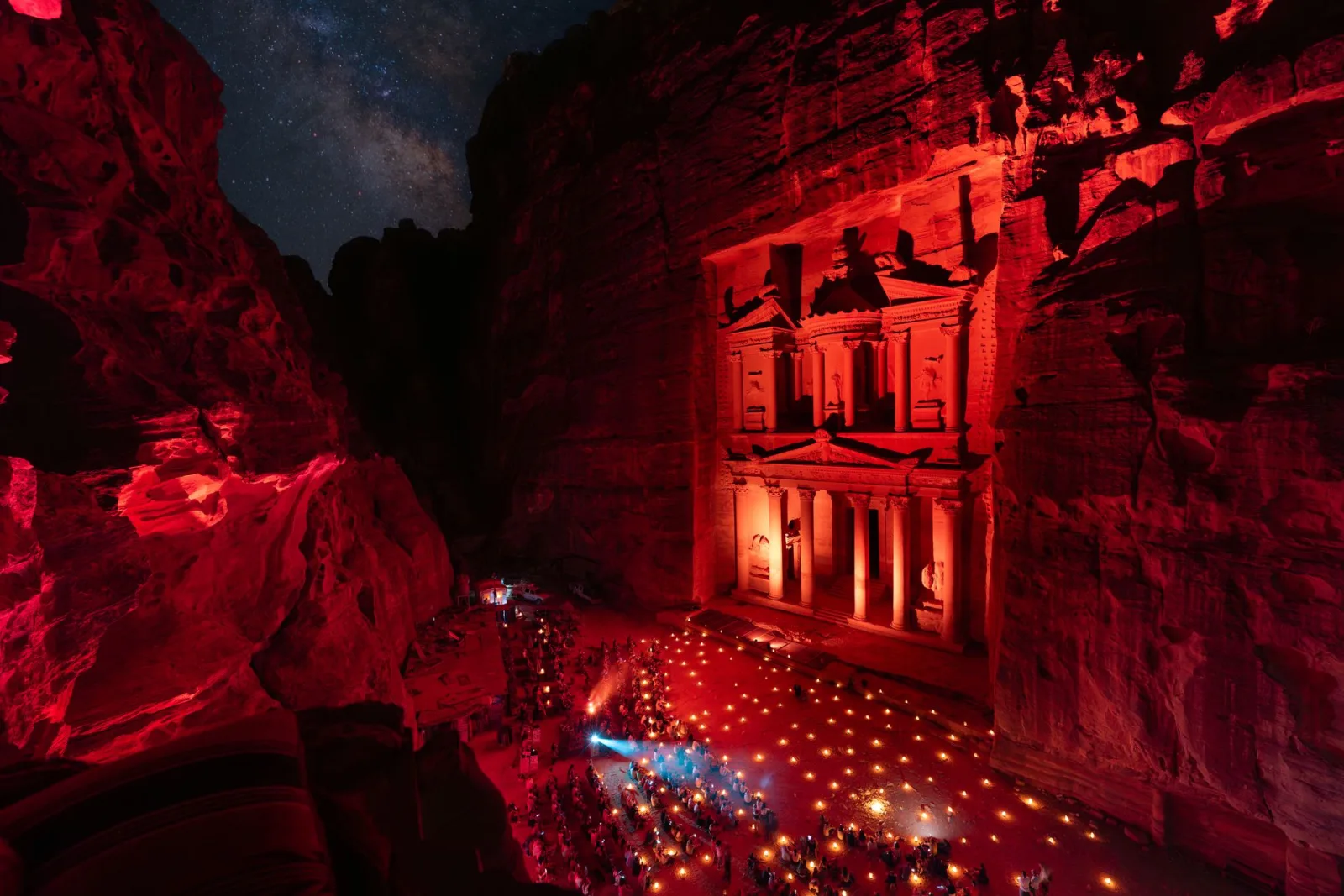
- Sunrise Treasury: Arrive at Petra gates by 6 AM. Walk the Siq in dim light for dramatic reveal shots as sun hits the Treasury facade.
- Golden Hour Facades: Late afternoon (3–5 PM) casts warm light on rock-cut tombs — ideal for texture and detail shots.
- Monastery Hike: Climb early (7–9 AM) to avoid heat and crowds. Wide-angle lens recommended for the panoramic viewpoint.
- Crowd Management: Use telephoto lens (70–200mm) to isolate subjects and compress perspective, minimizing tourist presence.
- Permits: Professional shoots or tripod use may require permission — check with Petra Visitor Center upon arrival.
Last updated: April 2026
Capture Jordan: A Photography Guide for Indian Travelers
Practical tips for photographing Petra, Wadi Rum, and the Dead Sea — tailored for Indian photographers visiting Jordan.
For Indian photography enthusiasts planning a Jordan itinerary, this guide shares location-specific techniques, optimal timing, and gear recommendations to capture Jordan\'s iconic landscapes. From Petra\'s rose-red cliffs to Wadi Rum\'s star-filled skies, Jordan offers unparalleled photographic opportunities.
Pro Tip: Book Petra early access permits 2–3 weeks ahead for sunrise photography without crowds. Many operators can arrange this as part of your tour.
Petra Photography: Timing & Techniques
How to capture the Treasury and Monastery with optimal light and minimal crowds.
Wadi Rum: Desert Landscapes & Astrophotography
Techniques for capturing Jordan\'s Mars-like terrain and UNESCO Dark Sky Reserve.
Desert Photography Tips
- Golden Hour Dunes: Sunrise (5:30–7 AM) and sunset (5–7 PM) create dramatic shadows on sandstone formations.
- Jeep Tour Composition: Request stops at iconic viewpoints: Lawrence Spring, Burdah Rock Bridge, Um Fruth Rock Arch.
- Dust Protection: Use lens hoods, UV filters, and keep camera in protective bag when not shooting. Carry microfiber cloths.
- Drone Regulations: Requires prior permission from Royal Film Commission Jordan. Apply 2+ weeks ahead. Many camps assist with paperwork.
Astrophotography Settings
- Best Months: April, May, October, November — clear skies, comfortable temperatures.
- Camera Settings: Manual mode, f/2.8 aperture, ISO 1600–3200, 15–25 second exposures.
- Essential Gear: Sturdy tripod, remote shutter release, red-light headlamp to preserve night vision.
- Composition: Include foreground elements (rock formations, Bedouin tents) for scale and interest.
- Post-Processing: Stack multiple exposures to reduce noise; adjust white balance for natural star colors.
Dead Sea: Reflections & Minimalist Compositions
How to photograph the world\'s lowest point with creative techniques.
- Calm Morning Reflections: Shoot at sunrise (6–8 AM) when water is still for mirror-like reflections of mountains.
- Minimalist Compositions: Use negative space — lone figures floating, salt crystals on shore, distant hills.
- Equipment Protection: Salt spray damages gear. Use UV filter, keep camera sealed when not shooting, rinse with fresh water after sessions.
- Polarizing Filter: Reduces glare on water surface and enhances sky contrast — essential for Dead Sea photography.
- Human Element: Include silhouettes of floating visitors for scale and storytelling.
Camera Gear Checklist for Indian Photographers
Essential equipment and packing tips for Jordan\'s diverse environments.
- Lenses: Wide-angle (16–35mm) for landscapes, telephoto (70–200mm) for detail/compression, prime (35mm/50mm) for low-light.
- Tripod: Carbon fiber for lightweight travel; essential for astrophotography and long exposures.
- Filters: UV filter (protection), polarizer (glare reduction), ND filter (long exposures in bright light).
- Batteries & Storage: Carry 2–3 extra batteries (cold drains power); multiple high-capacity SD cards.
- Protection: Lens cleaning kit, silica gel packs for humidity, padded camera bag for desert transport.
- India-Specific: Carry gear in carry-on luggage; declare professional equipment at customs if required.
For broader Jordan routing guidance, see our Jordan itinerary guide.
Frequently Asked Questions — Jordan Photography for Indians
Quick answers to common photography queries from Indian travelers.
1What is the best time for Petra photography?
Arrive at Petra by 6 AM for sunrise shots of the Treasury through the Siq. Late afternoon (3–5 PM) offers warm golden light on the rock facades. Avoid midday harsh shadows. For the complete destination overview, see our Jordan travel guide.
2Can I use drones in Wadi Rum?
Drone use in Wadi Rum Protected Area requires prior permission from the Royal Film Commission Jordan. Apply at least 2 weeks ahead. Many Bedouin camps can assist with the process. Handheld photography is unrestricted.
3What camera gear should Indian photographers pack for Jordan?
Essential: wide-angle lens (16–35mm) for Petra/Wadi Rum landscapes, telephoto (70–200mm) for detail shots, sturdy tripod for astrophotography, lens cleaning kit for desert dust, and extra batteries (cold drains power faster). Carry gear in carry-on luggage.
4Is astrophotography possible in Jordan?
Yes. Wadi Rum is a UNESCO Dark Sky Reserve with exceptional stargazing conditions. Best months: April, May, October, November. Use manual mode, wide aperture (f/2.8), ISO 1600–3200, and 15–25 second exposures. Bring a sturdy tripod and remote shutter.
5How do I photograph the Dead Sea without damaging my camera?
Salt spray can damage equipment. Use a UV filter, keep camera in protective bag when not shooting, rinse gear with fresh water after beach sessions, and avoid changing lenses near the water. Shoot reflections during calm morning hours for best results.
Planning a photography-focused Jordan trip? Get a custom itinerary with early-access permits, guide coordination, and gear-friendly transport.
Get Jordan Photography Trip Quote →About This Jordan Photography Guide
This cluster page focuses exclusively on photography guidance for Indian travelers to Jordan. All location tips, gear recommendations, and permit information are verified against 2026 local data and updated quarterly.
India-Focused Guidance
Recommendations tailored for Indian photographers — gear packing for long-haul flights, permit application assistance, and timing advice aligned with Indian travel windows.
Local Accuracy
Petra access policies, Wadi Rum drone regulations, and Dead Sea photography conditions reflect current 2026 standards verified by local partners.
Regular Updates
Photography permit requirements, seasonal light conditions, and gear protection tips are reviewed and refreshed quarterly.